
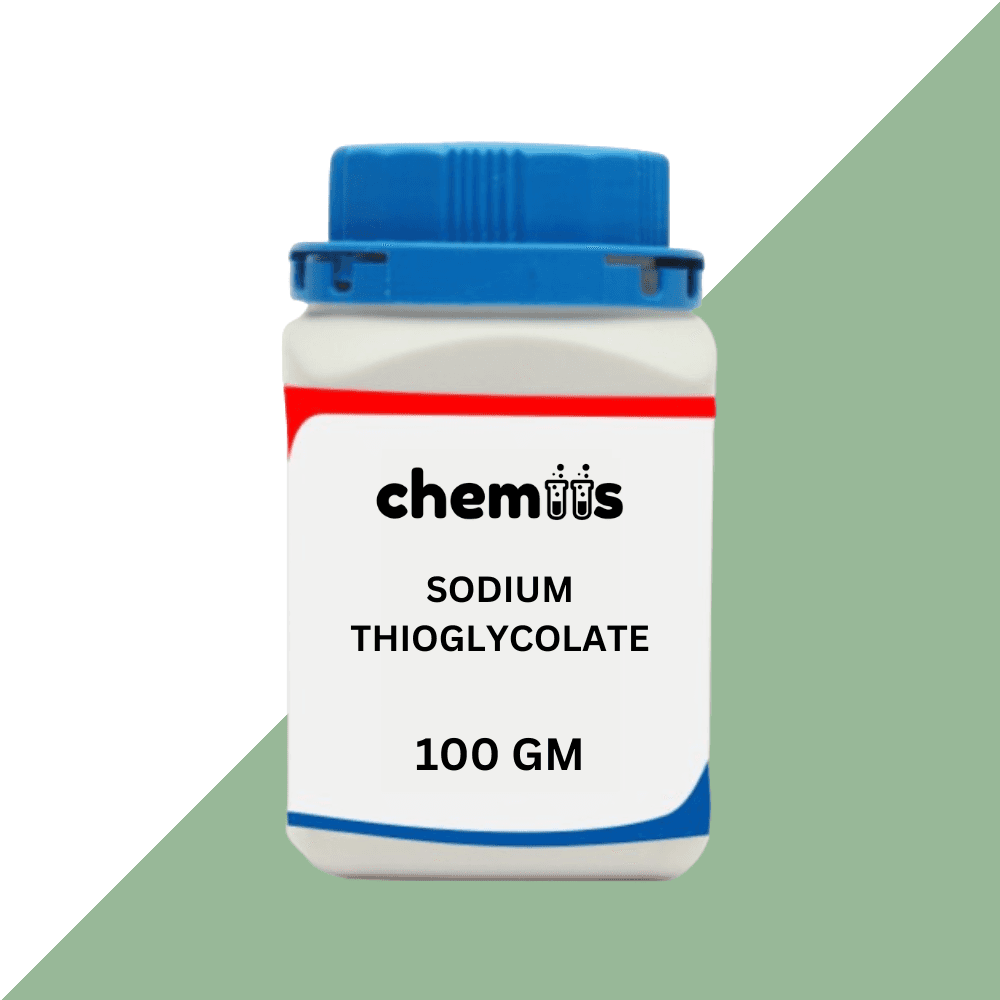
Sodium Thioglycolate (NaSCG) is a chemical compound that contains sulfur and is commonly used in various industrial and laboratory applications. It is a white, crystalline powder that is soluble in water and has a strong odor. Sodium Thioglycolate is an important reagent in organic synthesis and plays a vital role in industries such as cosmetics, agriculture, and textiles. It is used as a reducing agent, and as a key ingredient in products like hair perming solutions, metal cleaning agents, and chemical processing.
Applications:
1. Hair Care and Cosmetic Industry
- Hair Perming Agent: Sodium Thioglycolate is widely used in hair perming products. It is the key active ingredient in many perm solutions, as it breaks down the disulfide bonds in the hair’s keratin, making the hair more flexible and allowing it to be reshaped. Once the desired curl or wave is achieved, the solution is neutralized, restoring the disulfide bonds and setting the new shape.
- Hair Relaxers: It is also used in hair relaxers to straighten curly or wavy hair by breaking the sulfur-sulfur bonds in the hair shaft, making the hair more manageable.
2. Industrial Cleaning and Metal Treatment
- Metal Cleaning: Sodium Thioglycolate is used in the metal cleaning industry to remove tarnish, rust, and other impurities from metal surfaces. It is often employed in the cleaning of jewelry, silverware, and other metal products.
- Descaling Agent: It works as a reducing agent in various industrial cleaning processes, especially for descaling and removing oxides from metals like gold, silver, and copper.
3. Chemical Synthesis
- Reducing Agent: Sodium Thioglycolate is a powerful reducing agent that is used in organic synthesis to reduce disulfide bonds, halogenated compounds, and certain metals, making it useful in a variety of chemical processes.
- Intermediate in Organic Chemistry: It is used as a reagent for the synthesis of various chemicals, particularly in the formation of thioesters, thiol derivatives, and other sulfur-containing organic compounds.
4. Agriculture and Pest Control
- Pesticide Formulation: In agriculture, Sodium Thioglycolate is sometimes used in the formulation of pesticides. It can act as a stabilizer or a sulfur-based compound for controlling certain types of plant pathogens and pests.
5. Leather and Textile Industry
- Tanning Agent: Sodium Thioglycolate is used in the leather industry as a tanning agent. It helps in the treatment of animal hides by breaking down the protein structure, making the leather more supple and durable.
- Textile Treatment: It is used in the textile industry to treat fabrics, particularly to modify the texture and properties of fibers and fabrics. It aids in the process of bleaching and removing color from textiles.
6. Pharmaceuticals
- Therapeutic Applications: Sodium Thioglycolate is used in pharmaceutical preparations, especially in the treatment of skin diseases and conditions. It has some applications as a topical agent for treating certain dermatological issues, including acne and other conditions where skin exfoliation is required.
7. Laboratory Applications
- Biochemical Research: Sodium Thioglycolate is used in laboratories for biochemical research, particularly in the study of protein disulfide bonds and their role in protein structure and function. It is also used to reduce cysteine and other thiol-containing compounds in research applications.
Safety Guidelines:
- Personal Protective Equipment (PPE):
- Skin Protection: Wear gloves and protective clothing to avoid skin contact, as Sodium Thioglycolate can cause skin irritation. It may also cause an allergic reaction in sensitive individuals.
- Eye Protection: Always wear safety goggles or face shields to prevent any splashes from coming into contact with your eyes. In case of eye contact, rinse immediately with plenty of water and seek medical attention.
- Respiratory Protection: If working with Sodium Thioglycolate in powdered form or in poorly ventilated areas, use a dust mask or respirator to prevent inhalation of dust or fumes.
- Storage:
- Store Sodium Thioglycolate in a cool, dry, well-ventilated area, away from heat sources, acids, and oxidizing agents. Keep containers tightly sealed to prevent contamination and moisture absorption.
- Sodium Thioglycolate is sensitive to moisture, which may lead to decomposition and the release of hydrogen sulfide gas.
- First Aid:
- Inhalation: If inhaled, remove the person to fresh air immediately. Seek medical attention if symptoms like coughing, dizziness, or difficulty breathing occur.
- Skin Contact: Wash the affected skin area thoroughly with soap and water. If irritation persists, seek medical advice. Sodium Thioglycolate may cause mild to moderate skin irritation.
- Eye Contact: If the chemical comes into contact with the eyes, rinse them immediately with large amounts of water for at least 15 minutes. Seek medical attention if irritation continues.
- Ingestion: If ingested, rinse the mouth with water and seek immediate medical attention. Do not induce vomiting unless instructed by medical personnel.
- Disposal:
- Dispose of Sodium Thioglycolate in accordance with local environmental and safety regulations. It should not be disposed of in water sources or the environment as it can be harmful to aquatic life.
- For small quantities, it can be neutralized with a dilute acid, but larger quantities should be handled by a licensed waste disposal company for chemical waste.


Reviews
There are no reviews yet.