
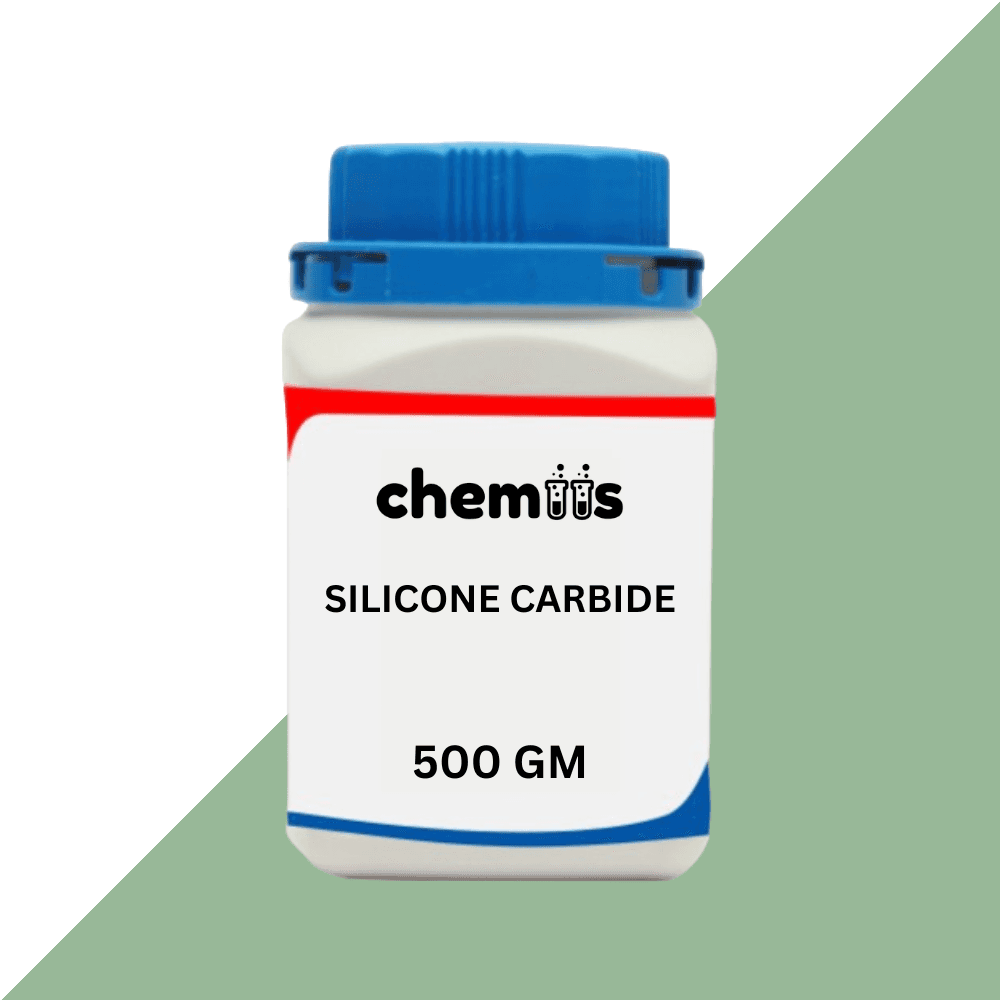

Silicon Carbide (SiC) is a highly durable, synthetic compound of silicon and carbon. Known for its exceptional hardness and heat resistance, Silicon Carbide is commonly used in various industrial applications, including abrasives, automotive components, electronics, and semiconductor devices. It has a wide range of applications due to its excellent thermal conductivity, high melting point, and resistance to wear and corrosion. Silicon Carbide’s superior strength and performance make it a critical material for industries requiring materials that can withstand high stress, heat, and chemical exposure.
Applications
1. Abrasives
- Grinding Wheels and Sandpaper:
Due to its extreme hardness, Silicon Carbide is used in the manufacture of grinding wheels, sandpapers, and abrasive pads. It is ideal for grinding and polishing hard metals, glass, ceramics, and stones. - Cutting Tools:
SiC is used for cutting tools that require durability and precision. It can cut through tough materials like titanium and hardened steel, making it an essential material in heavy-duty industrial applications.
2. Automotive Industry
- Brake Discs:
Silicon Carbide is used in the production of high-performance brake discs for automotive and aerospace applications. The material’s hardness and heat resistance ensure the brakes perform effectively under high temperatures and intense friction. - Engine Components:
SiC is used in the production of components such as pistons, valves, and other engine parts due to its high-temperature stability and wear resistance. - Ceramic Bearings:
Silicon Carbide is also used in ceramic bearings for automotive and aerospace industries, providing resistance to friction and heat, while also reducing wear and tear.
3. Semiconductor Industry
- Power Devices:
Silicon Carbide’s semiconductor properties make it ideal for high-power devices used in electric vehicles, power grids, and renewable energy systems. SiC-based semiconductors are used in power electronics, such as diodes and transistors, where they handle high voltages and temperatures better than traditional silicon semiconductors. - LED Technology:
SiC is also used as a substrate for high-brightness LEDs, where its thermal conductivity allows the device to operate efficiently without overheating.
4. Electronics
- High-Temperature Electronics:
Due to its ability to operate at high temperatures without degradation, Silicon Carbide is commonly used in high-temperature electronic devices, such as sensors and electronic circuits used in automotive, aerospace, and industrial control systems. - Power Electronics:
SiC transistors and diodes are used in inverters, motor drives, and power supplies due to their ability to handle higher voltages, frequencies, and temperatures.
5. Metallurgical Applications
- Steel Production:
Silicon Carbide is used in steelmaking and metallurgy as a refractory material due to its resistance to high temperatures and its ability to maintain integrity under extreme conditions. - Foundry and Casting:
SiC is used in foundries for creating molds and castings because it provides high thermal conductivity and wear resistance.
6. Industrial Heating
- Heating Elements:
Silicon Carbide is often used in the manufacture of heating elements for industrial furnaces, kilns, and other high-temperature applications. Its ability to withstand high temperatures and thermal shock makes it ideal for use in heat-resistant components. - High-Temperature Insulation:
SiC is used as a component in thermal insulation materials that are used in industrial furnaces and kilns.
7. Defense and Aerospace
- Armor Materials:
Silicon Carbide is employed in the manufacturing of armor systems due to its hardness and ability to absorb impacts. It is used in military vehicle armor, body armor, and other ballistic protection systems. - Aerospace Components:
Silicon Carbide is utilized in aerospace applications for components such as rocket nozzles, turbine blades, and other high-performance components that need to endure extreme conditions.
8. Solar Power
- Solar Cell Technology:
Silicon Carbide is used in the production of advanced solar cells. Its ability to handle high energy and its efficiency in converting energy make it useful in the renewable energy sector.
Safety and Handling
Hazards:
- Inhalation Risk:
Silicon Carbide dust may pose a respiratory hazard if inhaled over long periods, particularly during cutting, grinding, or handling of SiC products. Inhalation of fine dust can irritate the respiratory system and may lead to chronic lung conditions in extreme cases. - Skin and Eye Contact:
Silicon Carbide dust can cause irritation to the skin and eyes. Direct contact with large amounts of the material can lead to abrasions, especially if the material is in a powder form.
Precautions:
- Personal Protective Equipment (PPE):
- Respiratory Protection: Use appropriate dust masks or respirators when handling Silicon Carbide, especially in powder or abrasive forms. Respirators are essential to minimize the risk of inhalation.
- Protective Gloves: Wear gloves to prevent skin irritation or abrasion when handling Silicon Carbide, especially during grinding or cutting processes.
- Eye Protection: Safety goggles or face shields should be worn to protect eyes from dust or flying debris during processing or handling.
- Proper Ventilation:
Ensure proper ventilation in work areas, particularly during grinding or cutting operations, to minimize airborne dust and reduce exposure.
Storage:
- Storage Conditions:
Store Silicon Carbide in a dry, cool environment to prevent contamination or degradation of the material. Keep it in sealed containers to avoid unnecessary exposure to air and moisture.
First Aid Measures:
- Inhalation:
If Silicon Carbide dust is inhaled, remove the person to fresh air immediately. If symptoms persist, seek medical attention. - Skin Contact:
In case of skin contact, wash the affected area with soap and water. Seek medical attention if irritation persists. - Eye Contact:
If dust or particles come into contact with the eyes, rinse with plenty of water for at least 15 minutes. Seek medical attention if irritation continues. - Ingestion:
While ingestion is unlikely, if Silicon Carbide is ingested, rinse the mouth with water and seek medical attention if necessary.
Disposal:
- Disposal Instructions:
Dispose of Silicon Carbide in accordance with local environmental and waste disposal regulations. Avoid flushing large quantities down drains or into the water system.
Reviews
There are no reviews yet.