
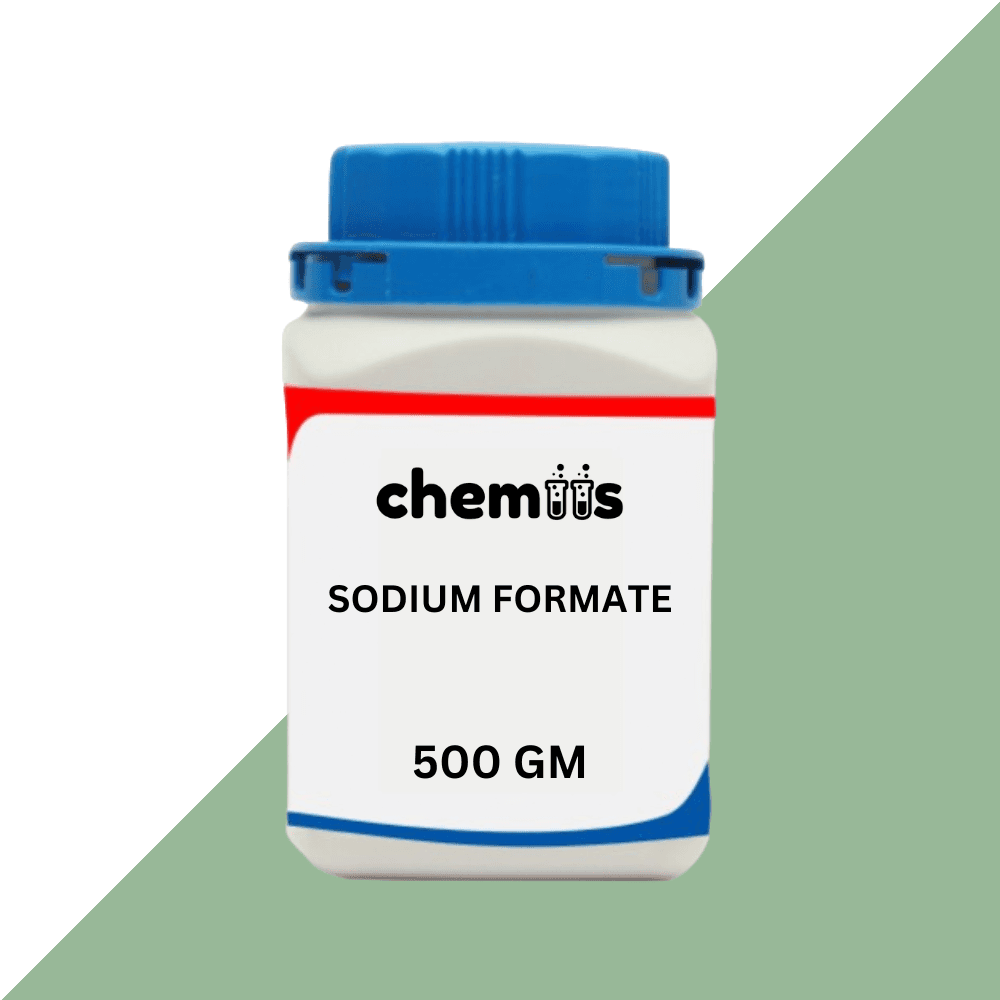
Sodium Formate (NaHCOO) is a sodium salt of formic acid, commonly used in a variety of industries due to its chemical properties. It appears as a white crystalline powder or granular solid that is highly soluble in water. Sodium Formate is primarily used in chemical synthesis, as a buffering agent, and in the leather industry. It has a wide range of applications in agriculture, pharmaceuticals, and the food industry due to its versatility and low cost.
Applications
1. Leather Industry
- Leather Tanning and Dyeing: Sodium Formate is widely used in the leather industry as a reducing agent in tanning and dyeing processes. It helps in reducing chromium salts during the tanning process, making leather more durable, flexible, and resistant to wear. Additionally, it is used to adjust the pH levels in leather processing.
2. Chemical Synthesis
- Buffering Agent: Sodium Formate acts as an important buffering agent in various chemical reactions. It is used to control pH levels in chemical processes, especially in reactions involving formic acid or formate salts.
- Intermediate in Organic Synthesis: It is used in organic chemistry for the production of formic acid, acetic acid, and other chemical intermediates. Its reducing properties make it a valuable reagent in synthesizing various compounds.
- Production of Formic Acid: Sodium Formate is also a key intermediate in the commercial production of formic acid, which is used in the production of pharmaceuticals, plastics, and food additives.
3. Agriculture
- Fertilizers: Sodium Formate is sometimes utilized in agriculture as a source of formic acid or as a preservative in animal feed. It helps in controlling microbial growth and improving feed stability. It is also used as a fertilizer or soil amendment in certain cases, particularly to adjust soil pH.
4. Food Industry
- Food Additive: In the food industry, Sodium Formate is used as a preservative and acidulant. It is recognized as a safe ingredient in food products such as beverages, jams, and jellies. It also plays a role in enhancing the preservation and shelf life of food by controlling pH and preventing microbial growth.
5. Textiles
- Dyeing and Printing: Sodium Formate is used in textile dyeing as a mordant or in the preparation of certain dyes. It ensures that the dyes bind to fibers effectively, improving color retention and fastness. It also acts as a reducing agent in some textile treatments.
6. Oil and Gas Industry
- Drilling Fluids: In the oil and gas industry, Sodium Formate is employed in the formulation of drilling fluids, where it helps to control the viscosity and stabilizing properties of the fluids. It is also used in the treatment of wellbore instability.
7. Pharmaceuticals
- Drug Production: Sodium Formate is used in the pharmaceutical industry to manufacture certain drug formulations and intermediates. It can also play a role in various chemical processes in drug synthesis and in the preparation of medicines.
Safety and Handling
Hazards:
- Toxicity: Sodium Formate is relatively safe but can cause mild irritation to the skin, eyes, and respiratory system. Prolonged exposure or ingestion in large amounts can lead to health problems.
- Inhalation: Inhalation of the dust or vapors of Sodium Formate can lead to respiratory irritation. It can cause coughing, shortness of breath, and other breathing difficulties if inhaled in large quantities.
- Skin and Eye Irritation: Direct contact with Sodium Formate can cause mild skin irritation or eye discomfort. Prolonged exposure may cause more significant irritation.
Precautions:
- Personal Protective Equipment (PPE):
- Gloves: Wear gloves (nitrile or rubber) to avoid direct skin contact.
- Eye Protection: Use safety goggles or face shields to prevent eye irritation.
- Respiratory Protection: If handling in large quantities or in dusty environments, wear a dust mask or respirator to avoid inhalation of dust particles.
- Protective Clothing: Wear suitable protective clothing, such as a lab coat or apron, to avoid contamination.
- Handling:
- Handle Sodium Formate in well-ventilated areas, preferably under a fume hood or with adequate exhaust to prevent inhalation of dust.
- Avoid generating dust and ensure that workers are not exposed to excessive concentrations of the substance.
- Keep the substance away from strong acids and oxidizing agents to prevent any dangerous reactions.
Storage:
- Temperature: Store Sodium Formate in a cool, dry place away from direct sunlight and sources of heat.
- Containers: Store in tightly sealed containers made from moisture-resistant material (such as plastic or glass).
- Incompatible Materials: Keep away from strong oxidizers, acids, and other reactive substances to prevent potentially hazardous reactions.
First Aid Measures:
- Inhalation: Move the person to fresh air immediately. If symptoms like coughing or difficulty breathing occur, seek medical attention.
- Skin Contact: Wash the affected skin area thoroughly with soap and water. Seek medical advice if irritation persists.
- Eye Contact: Rinse eyes with clean, running water for at least 15 minutes. If irritation continues, seek medical advice.
- Ingestion: If swallowed, do not induce vomiting. Rinse the mouth and seek medical help immediately.
Disposal:
- Waste Disposal: Dispose of Sodium Formate as a non-hazardous chemical waste according to local environmental and safety regulations. Avoid flushing it down the drain.
- Neutralization: If needed, neutralize Sodium Formate using an appropriate neutralizing ag


30 reviews for SODIUM FORMATE
There are no reviews yet.