
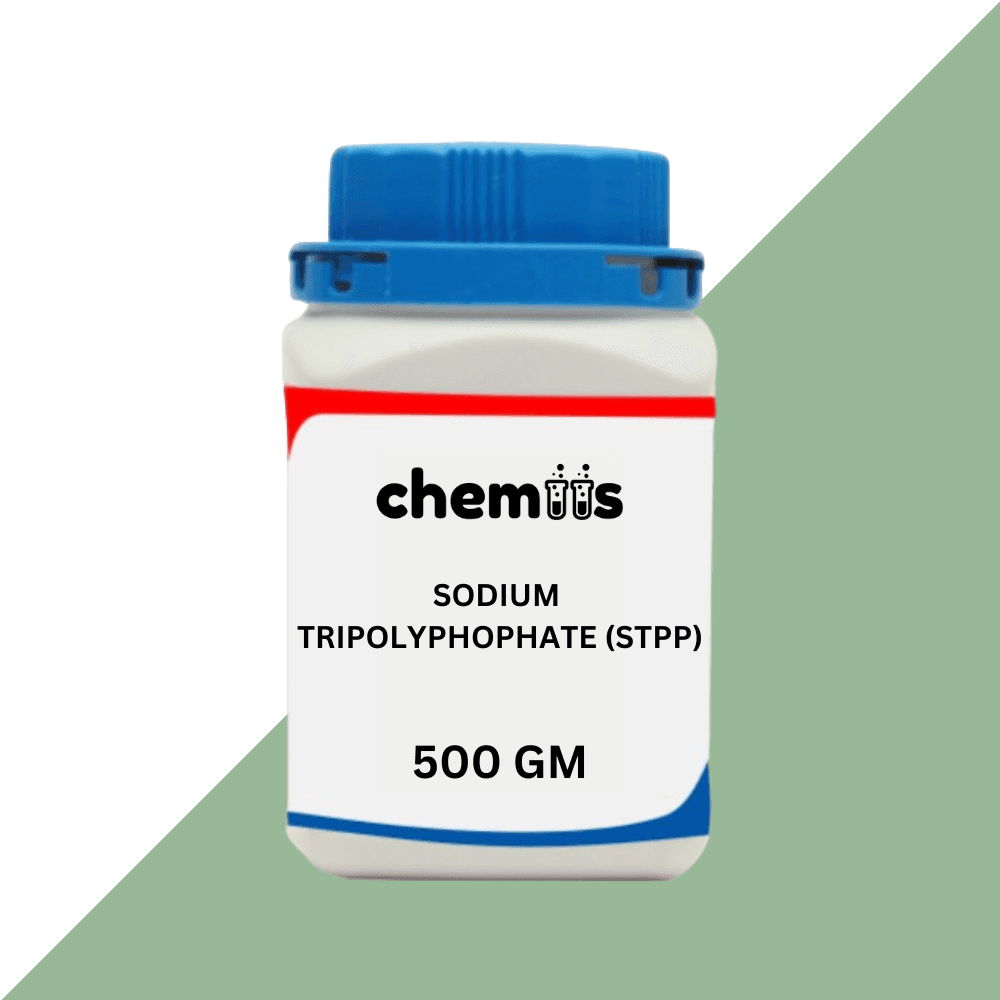
Sodium Tripolyphosphate (STPP) is a chemical compound with the formula Na₅P₃O₁₀. It is a white, crystalline powder that is highly soluble in water. STPP is commonly used in a wide range of industrial applications due to its ability to enhance detergent efficiency, act as a dispersing agent, and serve as a water softener. Sodium Tripolyphosphate is used in sectors such as household and industrial cleaning, food processing, water treatment, and the manufacture of ceramics and other chemicals.
Applications:
1. Detergents and Cleaning Products
- Water Softener: STPP is used in detergents to soften hard water by binding calcium and magnesium ions, thus improving the efficiency of detergents and soaps. This allows for better lathering and cleaning performance.
- Dispersing Agent: In laundry detergents, dishwashing products, and industrial cleaners, STPP acts as a dispersing agent that helps prevent the re-deposition of dirt onto fabrics and surfaces.
- Heavy Duty Cleaning: In industrial and commercial cleaning products, STPP enhances the cleaning ability by breaking down oils, grease, and grime, making it a key ingredient in degreasers and cleaners.
2. Water Treatment
- Scale Inhibition: STPP is used in water treatment plants to prevent the formation of scale in pipes and boilers by dispersing calcium and magnesium salts, which otherwise would precipitate and cause blockages.
- Corrosion Inhibition: It is also used to prevent the corrosion of pipes and other infrastructure by binding with metals and preventing their reaction with water.
3. Food Processing
- Food Preservative: Sodium Tripolyphosphate is commonly used in the food industry, particularly in seafood and meat processing, to improve the texture, color, and shelf life of products. It helps retain moisture in processed meats and seafood, reducing the loss of weight during storage.
- Emulsifier and Texturizer: In the food industry, STPP is used as an emulsifying agent in processed cheese, ice creams, and other dairy products, enhancing their texture and preventing separation.
4. Ceramics and Clay Industry
- Dispersant in Ceramics: Sodium Tripolyphosphate is used in the ceramics industry to improve the flow of clay and enhance the strength of ceramic products. It helps reduce viscosity and prevent clumping during the shaping of ceramic goods.
- Fritting Agent: In glass and ceramics production, STPP serves as a fritting agent, which helps to create the correct texture and chemical properties of the products.
5. Oil and Gas Industry
- Drilling Fluids: In the oil and gas industry, STPP is used in drilling fluids to reduce the viscosity of the slurry and to disperse clay particles, ensuring smoother drilling operations and reducing wear on equipment.
- Enhanced Oil Recovery: STPP can also be used in enhanced oil recovery methods by improving the performance of surfactants used in oil recovery processes.
6. Textile Industry
- Dyeing Process: STPP is used in textile processing, especially in the dyeing of fabrics. It helps to soften the water and improve the penetration of dyes into fibers, ensuring even coloring and better quality fabric finishes.
- Bleaching Agent: Sodium Tripolyphosphate is also employed in the bleaching process for textiles, improving the effectiveness of bleach and ensuring the uniformity of color removal.
7. Agriculture
- Fertilizers: STPP is used as a stabilizing agent in the manufacture of certain fertilizers, particularly those that contain nitrogen or potassium, as it helps prevent the precipitation of nutrients, ensuring their better absorption by plants.
- Pesticide Formulation: It is used in the formulation of pesticides and herbicides, where it helps in the dispersion of active ingredients, improving the effectiveness of these chemicals.
8. Industrial Applications
- Leather Industry: In leather processing, STPP is used to soften water and improve the effectiveness of tanning agents, ensuring a smooth and uniform finish on leather products.
- Concrete Industry: Sodium Tripolyphosphate is also used as a dispersing agent in concrete production, helping to improve the workability and strength of the concrete.
Safety Guidelines:
- Personal Protective Equipment (PPE):
- Skin Protection: Wear protective gloves, goggles, and suitable clothing when handling Sodium Tripolyphosphate, especially in large quantities or in an industrial setting. Direct skin contact may cause irritation.
- Eye Protection: Always use safety goggles to avoid contact with the eyes, as STPP can cause irritation.
- Respiratory Protection: When handling STPP in powder form, use a dust mask or respirator in poorly ventilated areas to avoid inhalation of dust particles.
- Storage:
- Store Sodium Tripolyphosphate in a cool, dry, and well-ventilated area away from moisture, acids, and strong oxidizing agents.
- Ensure containers are tightly sealed to prevent the absorption of moisture, which can cause the powder to clump.
- First Aid:
- Inhalation: If inhaled, move the person to fresh air immediately. If respiratory distress occurs, seek medical attention.
- Skin Contact: If STPP comes into contact with skin, wash the area thoroughly with soap and water. Seek medical attention if irritation persists.
- Eye Contact: Rinse eyes immediately with plenty of water for at least 15 minutes, holding eyelids open. Seek medical help if irritation continues.
- Ingestion: If ingested, rinse the mouth with water. Do not induce vomiting unless instructed by a healthcare provider. Seek immediate medical attention.
- Disposal:
- Dispose of Sodium Tripolyphosphate according to local, state, and federal regulations. Small quantities can typically be neutralized and disposed of safely. For larger quantities, consult a licensed chemical disposal service.


10 reviews for SODIUM TRIPOLYPHOPHATE (STPP)
There are no reviews yet.